SCUBA DIVING IN NOSY BE, MADAGASCAR
One archipelago. Many worlds beneath the surface.
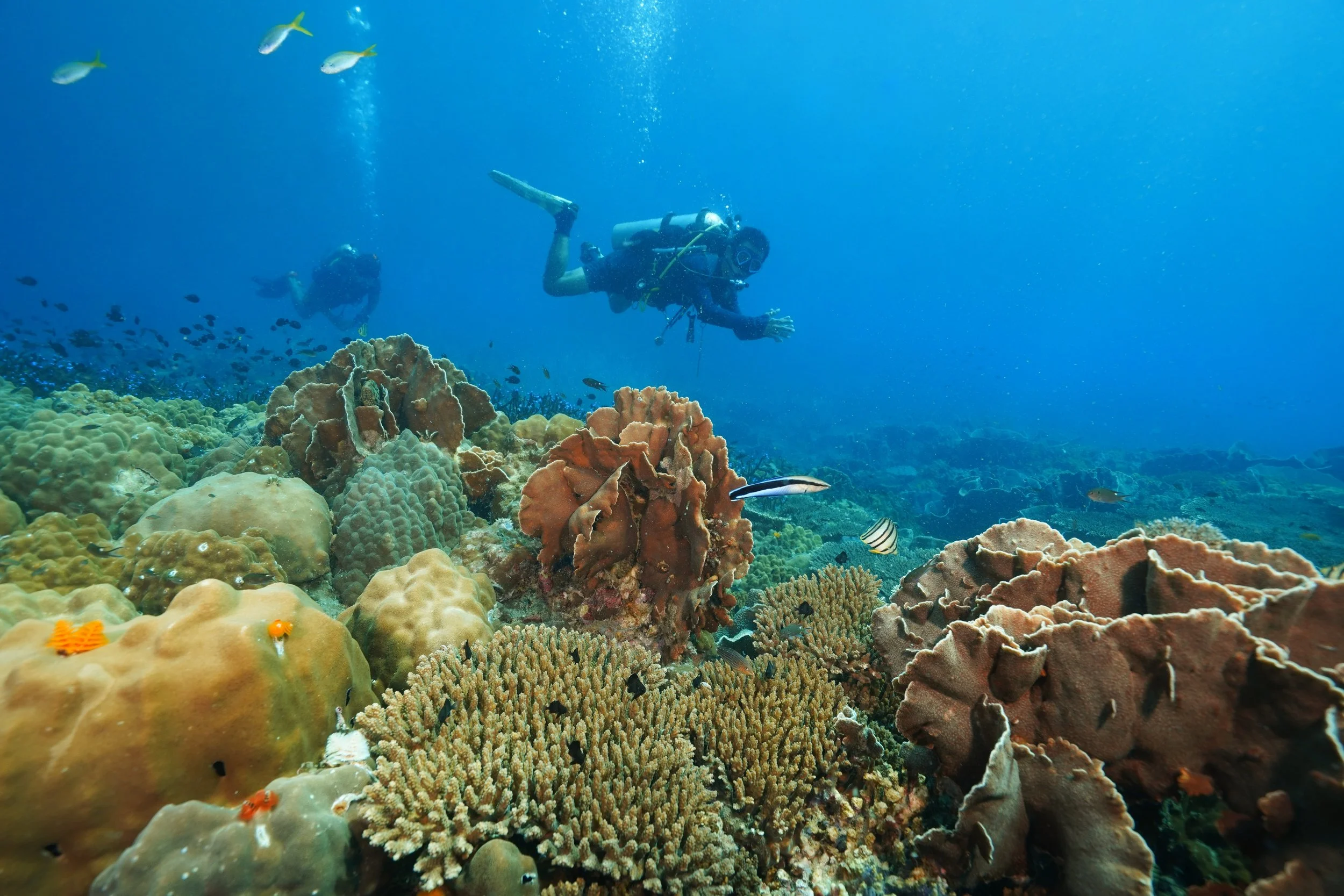
Nosy Be sits at the heart of one of the most diverse dive regions in the western Indian Ocean. Sheltered bays, marine reserves, deep drop-offs and offshore banks combine to offer exceptional variety from calm, critter-rich reefs to exhilarating big fish encounters.
What makes Nosy Be truly special is not just the diving itself, but the depth of local expertise. The operators we work with are long-established, deeply rooted in the region, and known for putting safety, marine knowledge and diver experience first.
This page brings together the best dive sites and the most respected dive professionals and centres in the Nosy Be archipelago.
Sakatia Lodge & Dive Centre, Nosy Sakatia
A relaxed island lodge set on Nosy Sakatia, offering easy access to sheltered reefs and calm, biodiversity-rich dive sites. Ideal for divers seeking unhurried diving, shallow reefs, and a peaceful island atmosphere close to Nosy Be.
Meet the People Behind Scuba Diving in Madagascar
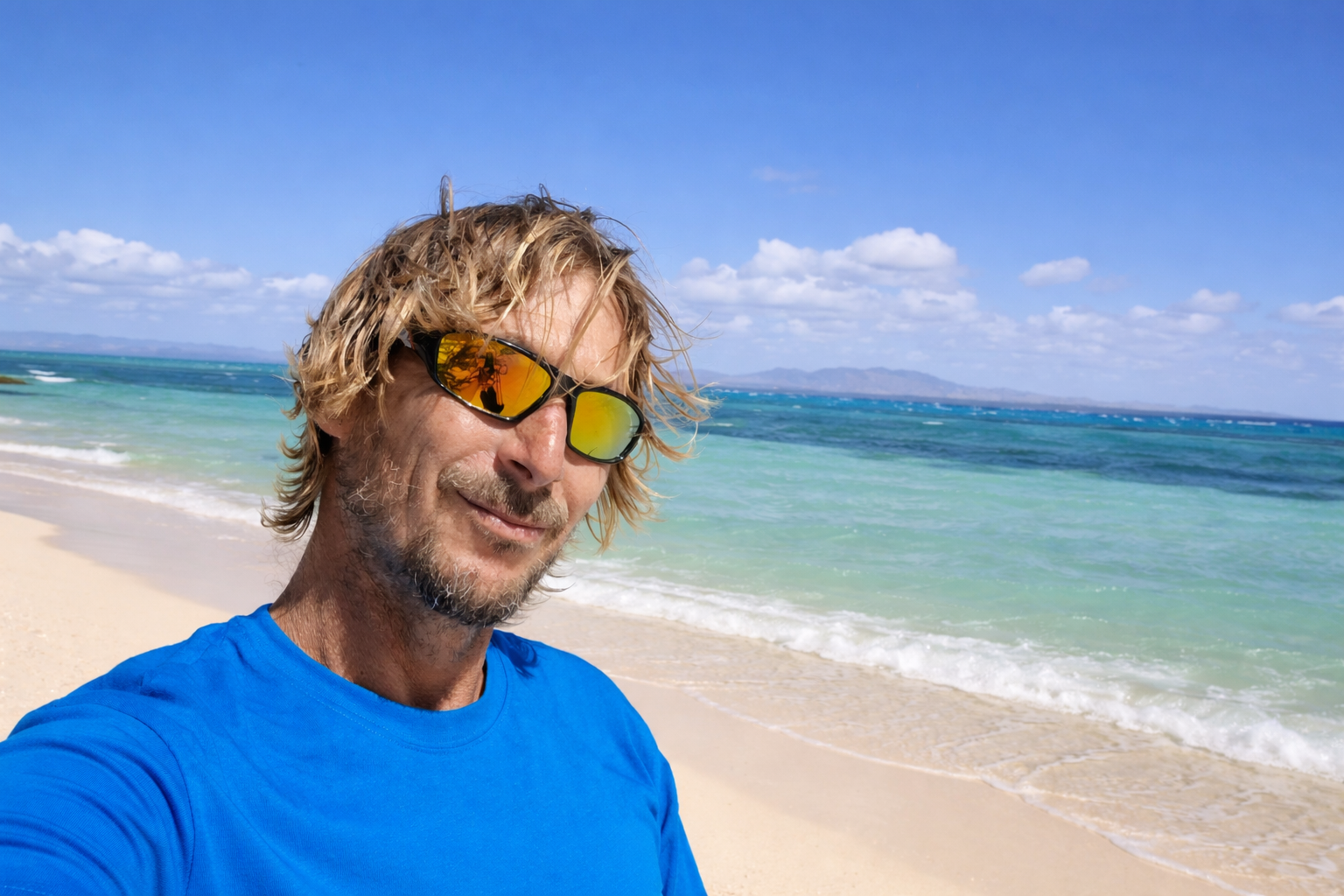
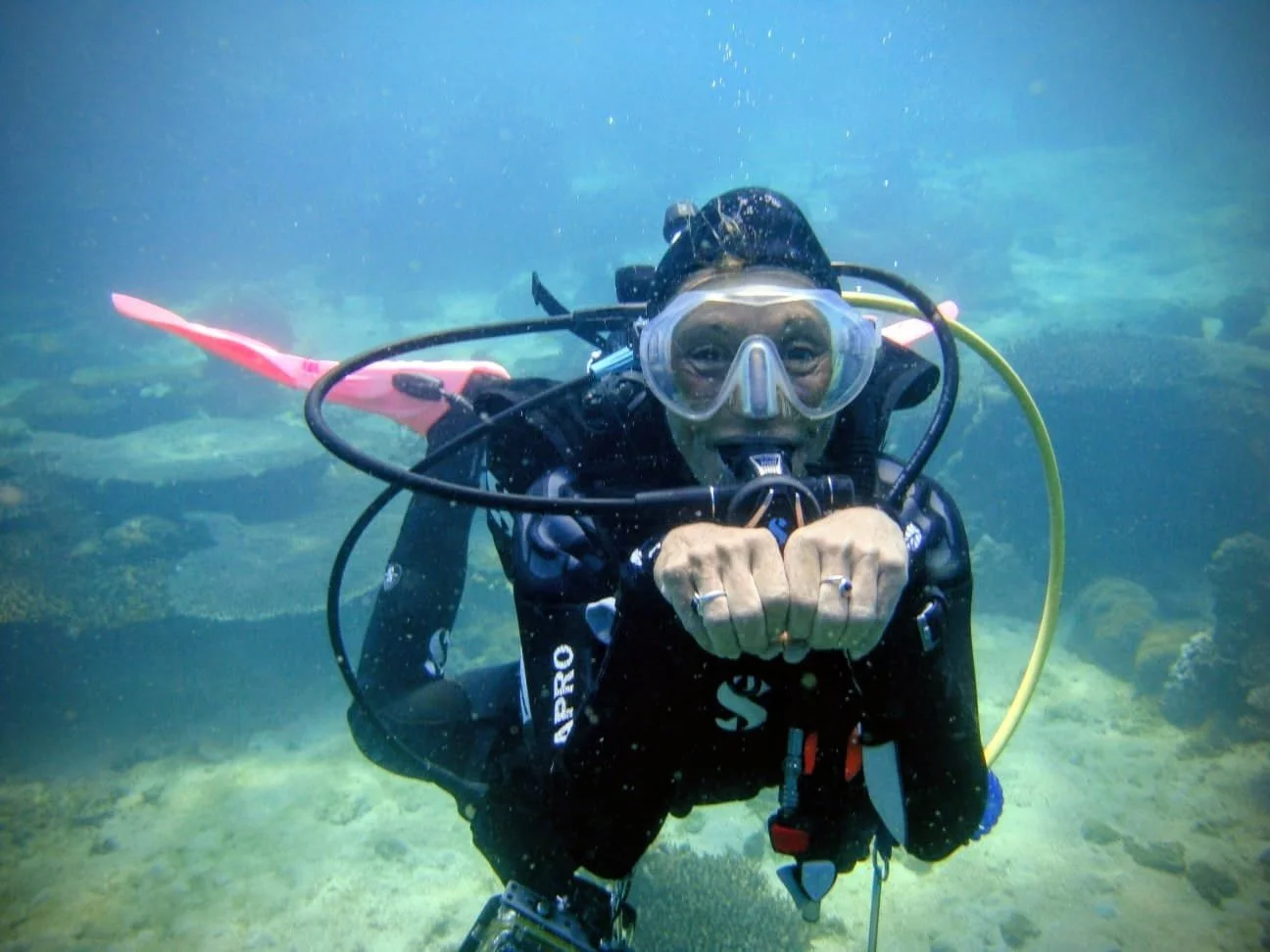
Jacques Vieira – Dive Professional & Marine Specialist, Nosy Be
Jacques is one of the most experienced dive professionals working in the Nosy Be region, with over two decades of hands-on diving in north-west Madagascar. Deeply familiar with local reefs, currents and seasonal marine movements, he is known for his calm, methodical approach and strong focus on diver safety. Jacques has a particular interest in reef ecology and specialised diving, including advanced wall dives and innovative night-diving techniques. Divers value his ability to adapt each dive to conditions, experience level and marine activity on the day.
Jacques is in high demand and usually booked well in advance. Fortunately, long-standing relationships in Nosy Be sometimes work in our favour! 😉
🟢 Beginner & Easy Recreational Dives
Calm conditions, moderate depths, minimal current and excellent marine life ideal for newer divers, refreshers and relaxed exploration.
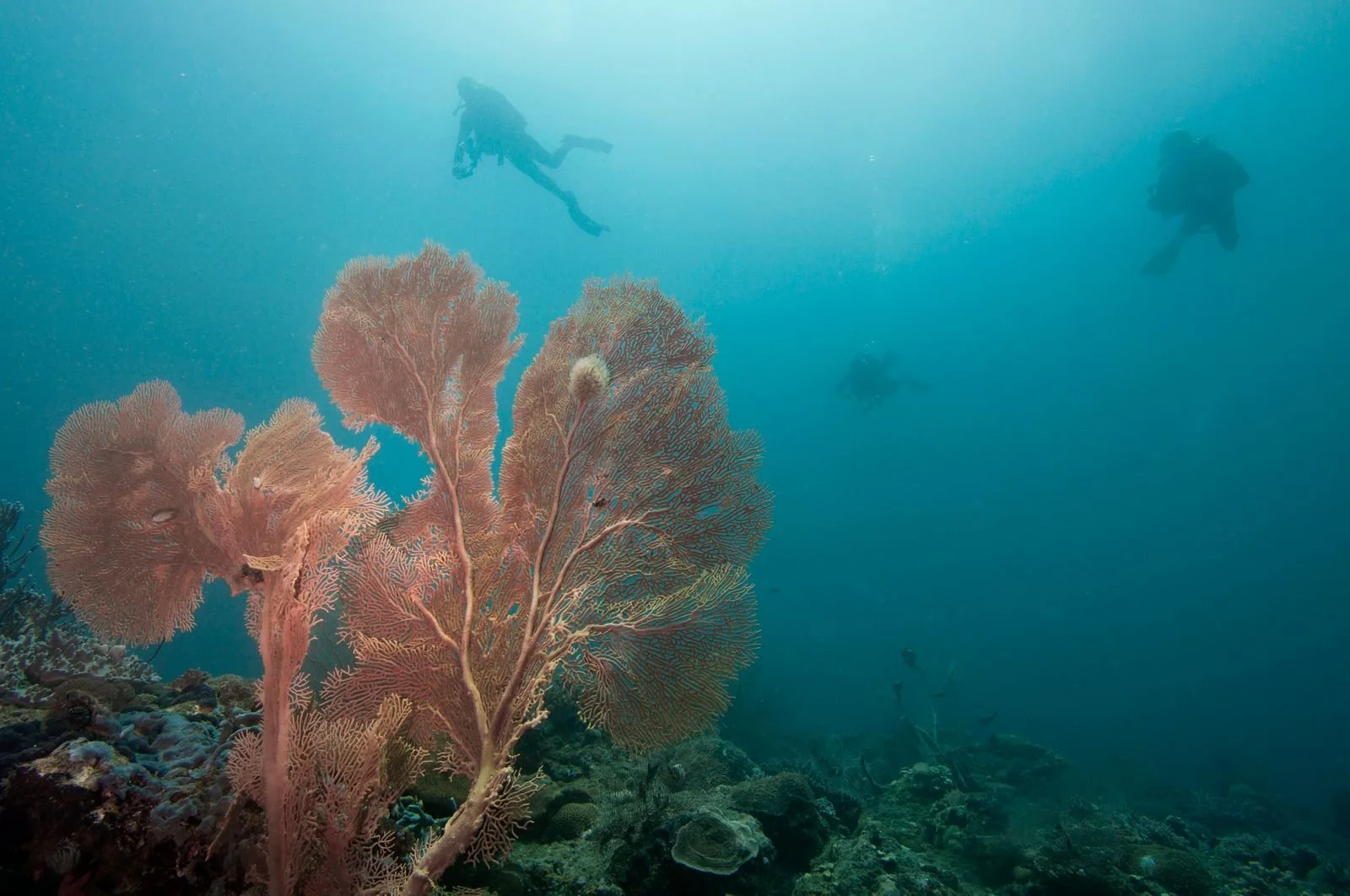
Rosario (14–19 m)
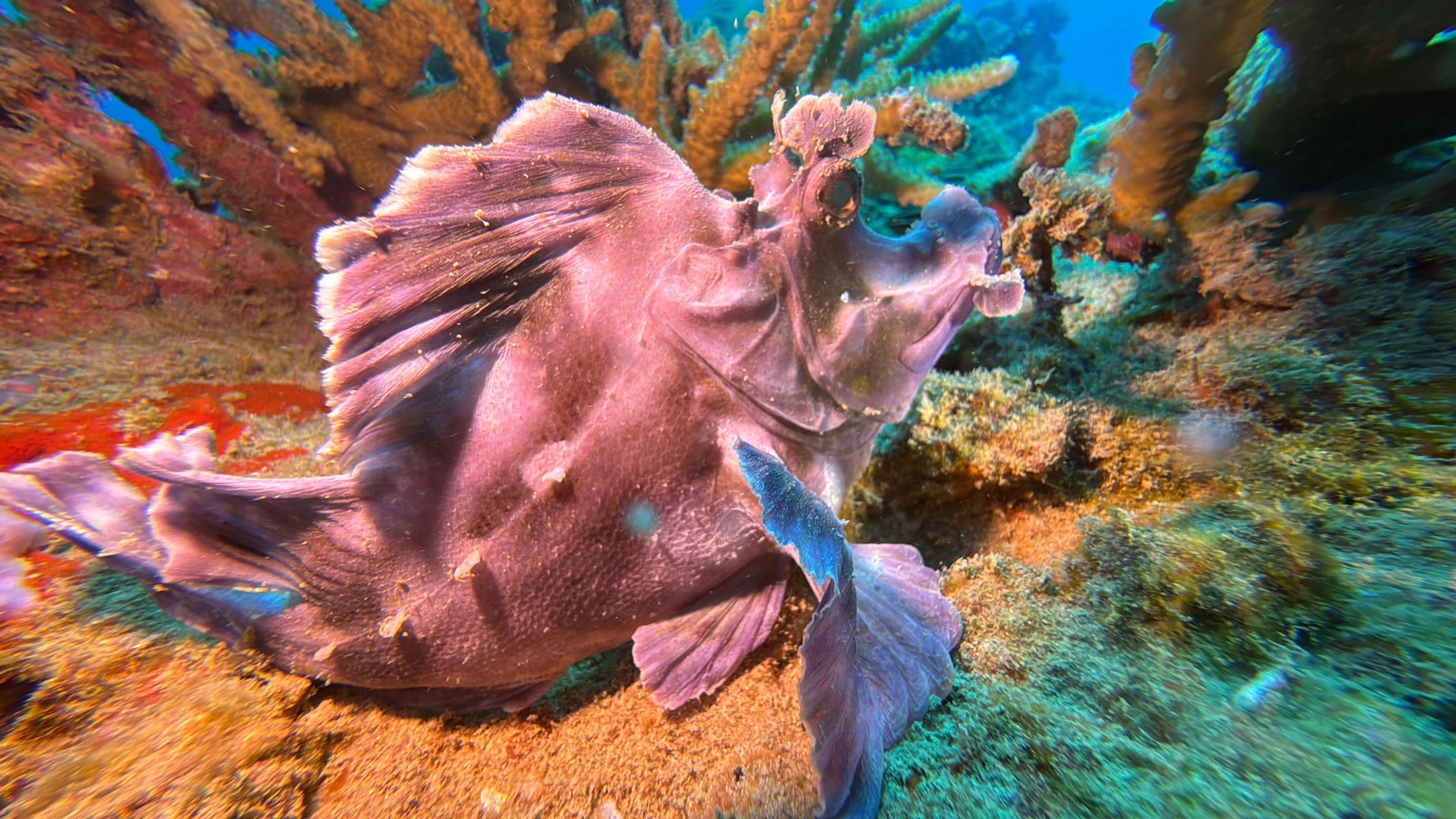
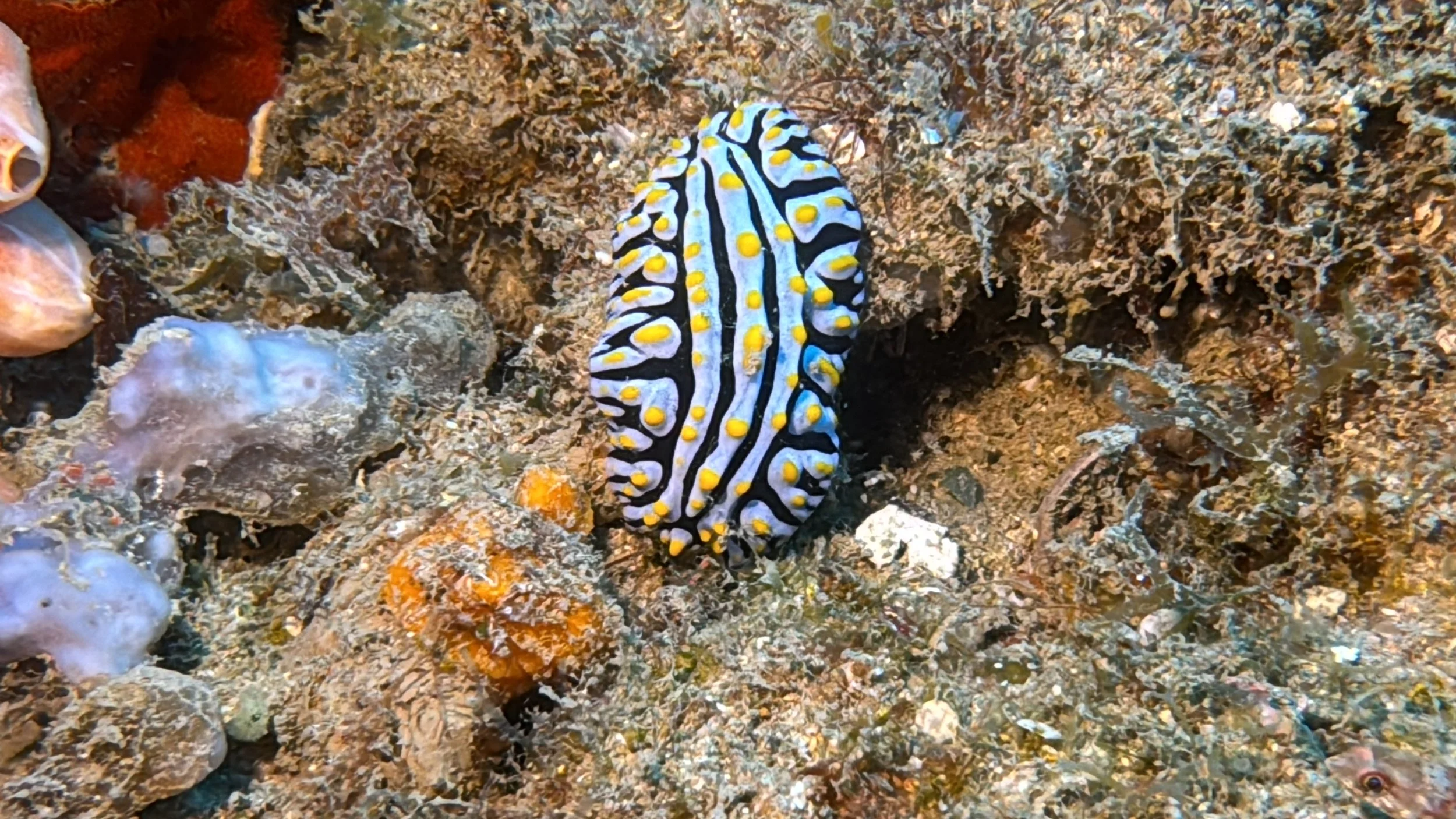
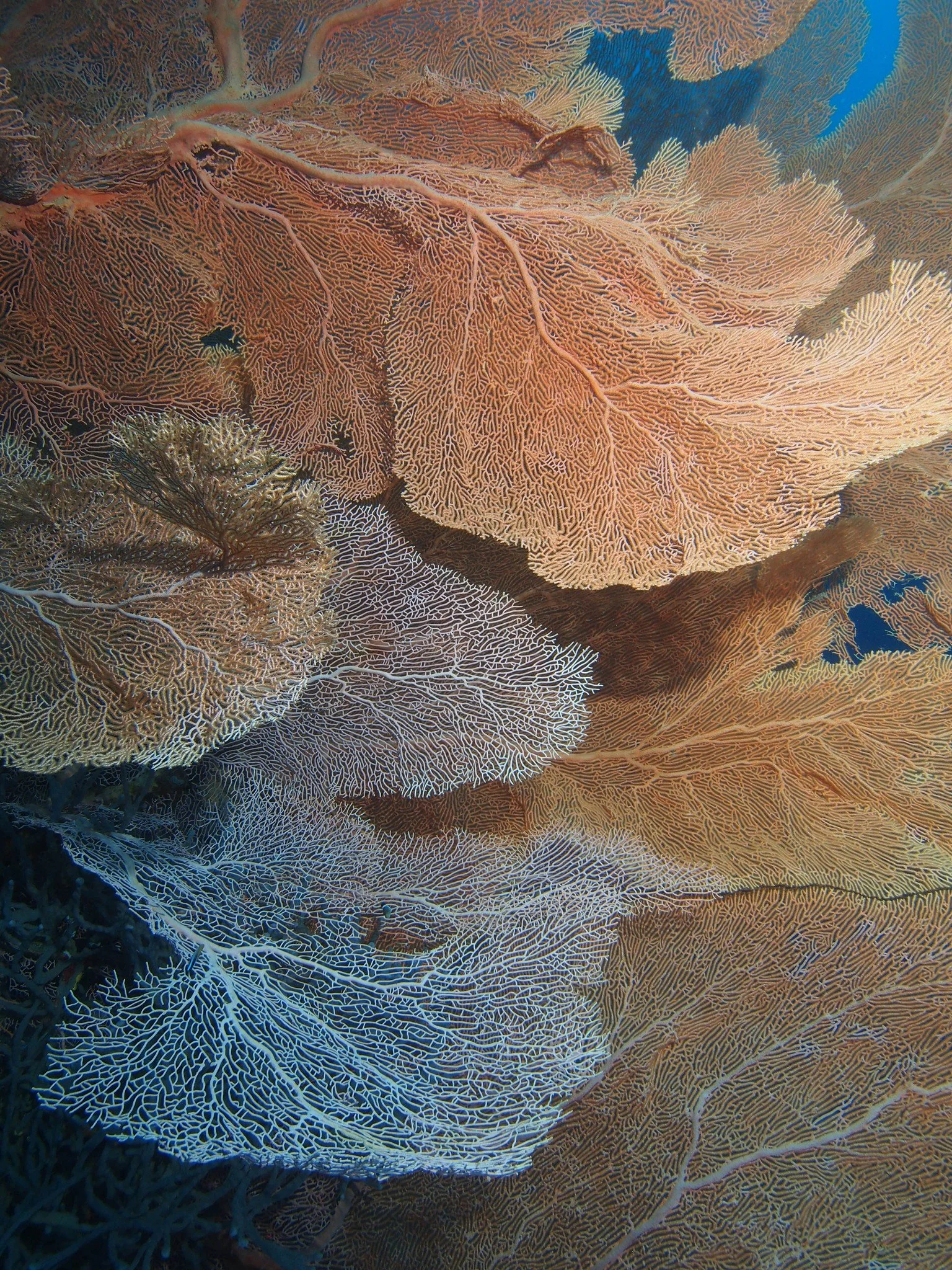
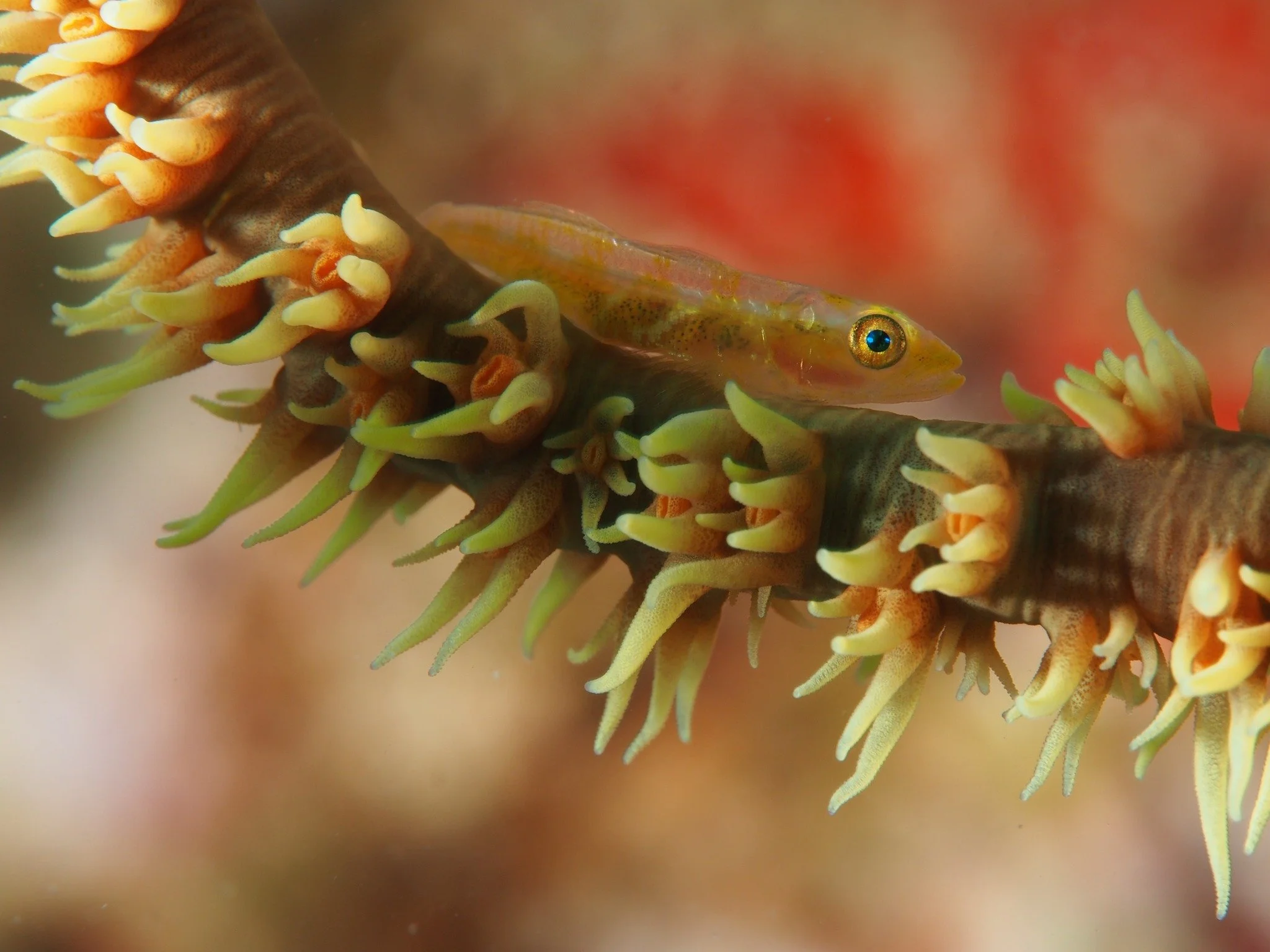
Easy reef and gentle drift dive with fan corals, nudibranchs, stonefish and large schools of fish.Mahavelona (13 - 27m)
A wreck and reef dive located off the western side of Nosy Be, typically reached within a short boat ride.
Fusiliers Bank (15–18 m)
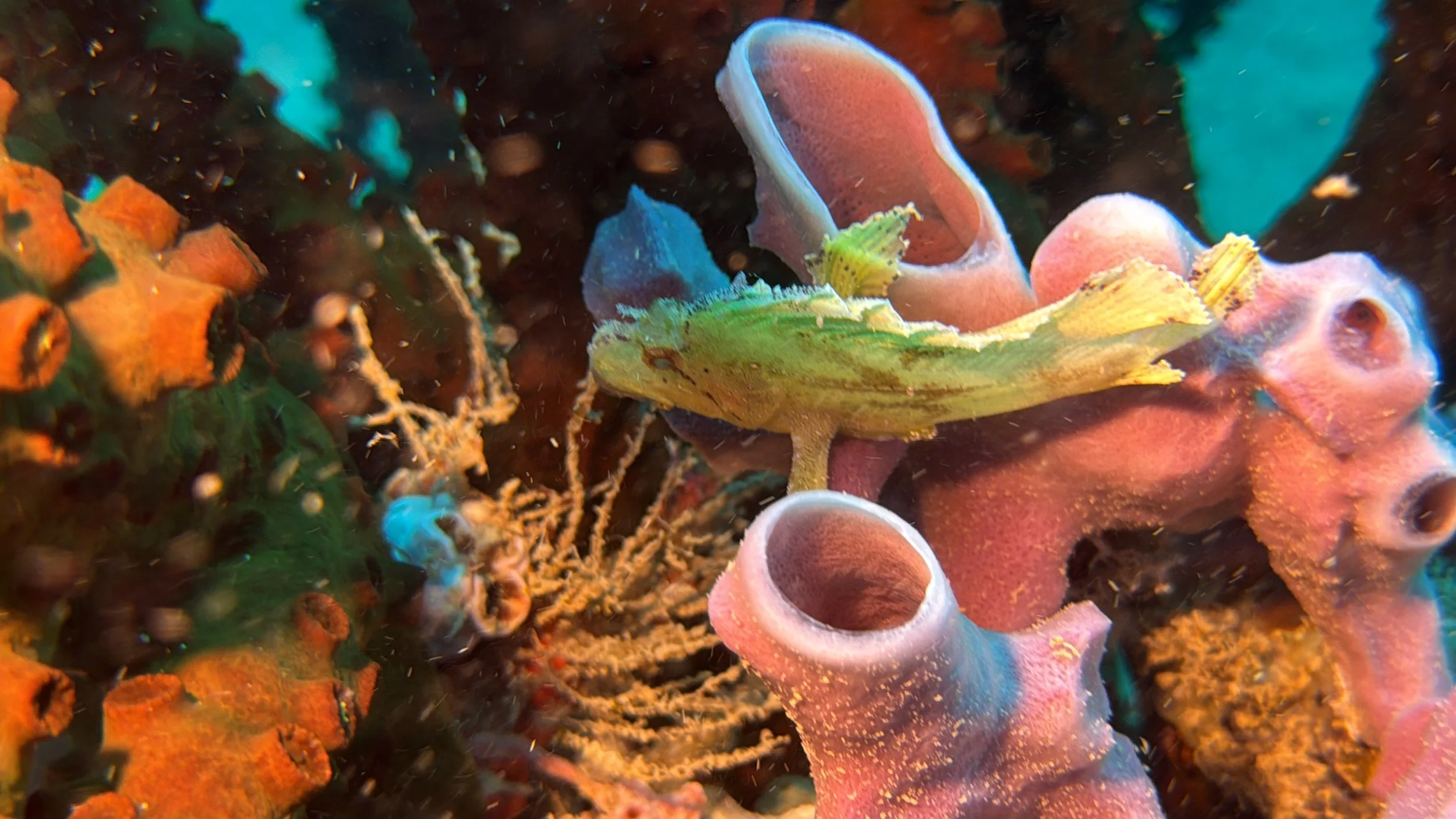
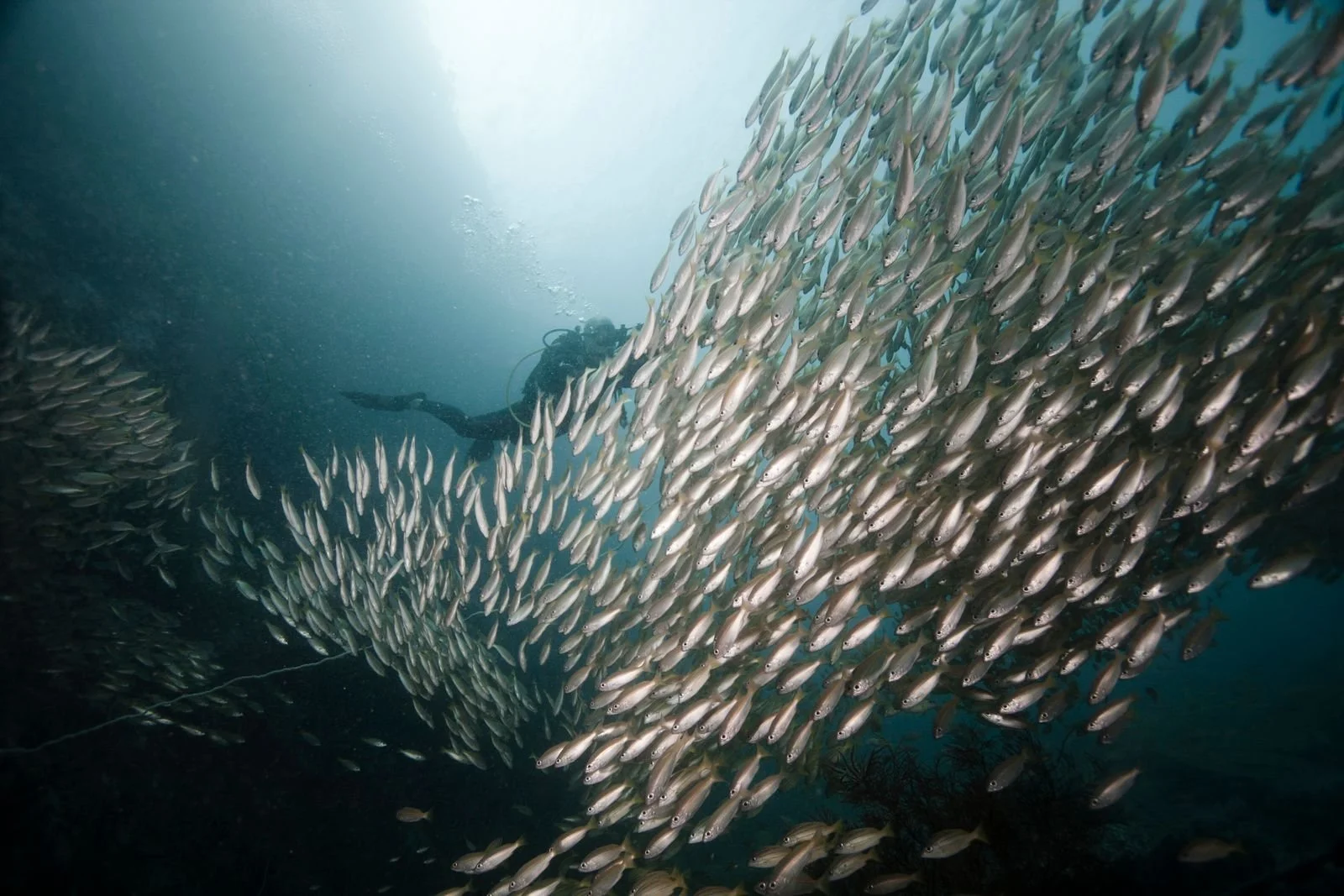
Shallow plateau teeming with life: fusiliers, snappers, emperors and excellent macro opportunitiesBanc 06 (14–19 m)
When active, this site hosts huge shoals of fish; conditions are usually gentle and forgiving.
Sylvia Terlanche – Pioneer of Diving in Nosy Be
Sylvia is widely recognised as one of the pioneers of recreational diving in Nosy Be, with a career spanning several decades. Long before Nosy Be became an established dive destination, she was instrumental in developing responsible diving practices and introducing divers to the region’s exceptional underwater diversity. Known for her deep marine knowledge and strong conservation ethos, Sylvia has mentored generations of dive professionals in the area. Her legacy continues to shape Nosy Be diving today, setting the standard for experience-driven, environmentally aware dive operations.
Sylvia is one of the dive guides we use on our liveaboard dive charters.
MadagasCaT’s top Dive Lodges in Nosy Be
Ylang Ylang Hotel & Dive Centre, Nosy Be
A charming beachfront boutique hotel in vibey Ambatoloaka, combining comfortable accommodation with convenient access to daily boat dives. Well suited to travellers looking for land-based diving paired with Nosy Be’s restaurants, beaches and island life.
Tsarabanjina Lodge & Dive Centre, Mitsio
A barefoot luxury private island in the Mitsio Archipelago, combining elegant simplicity with exceptional, lightly dived reefs. Ideal as a diving-focused island stay or exclusive extension to a Nosy Be-based holiday.
🟣 Advanced but Conditions-Dependent / Special Interest
These sites may be dived at intermediate levels when conditions are favourable, but are best appreciated by experienced divers.
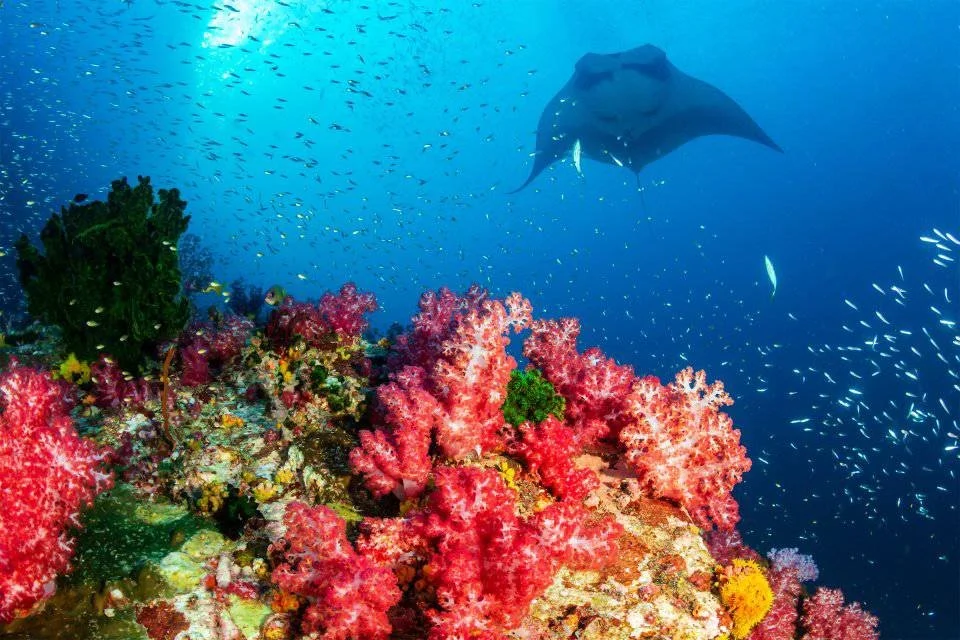
Manta Point (18–21 m)
Depth is moderate, but open-ocean location and timing are critical. Best for confident divers when mantas are present.Rochinie (18–22 m)
Reliable shark site with currents; best dived on a rising tide with good buoyancy control.
Sandra Vieira – Dive Professional, Nosy Be
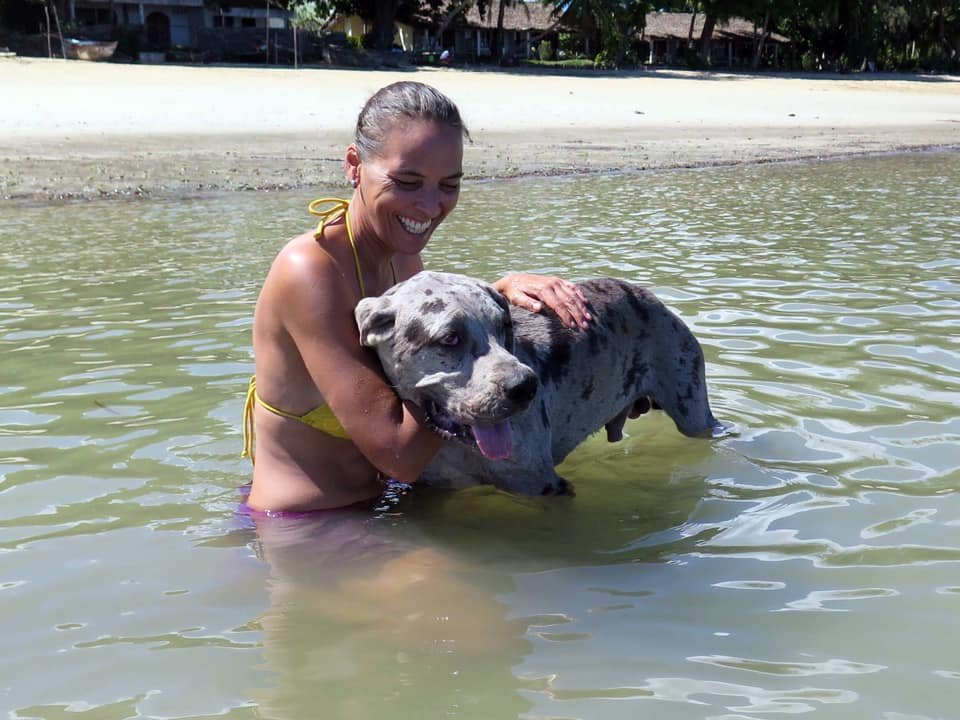
Sandra is a respected and long-standing member of the Nosy Be diving community, known for her practical experience and steady presence within professional dive operations. Actively involved in the organisation and delivery of diving activities, she plays an important role in ensuring dives run smoothly, safely and enjoyably. Sandra is particularly associated with specialised and niche diving experiences, and is valued for her attention to detail, calm approach and commitment to diver care. Her contribution reflects the strength of Nosy Be diving — built on continuity, local knowledge and people who truly know these waters.
Sandra covers for husband Jacques if he is not available.
Diver Safety & Hyperbaric Support in Nosy Be
Nosy Be is one of the very few dive destinations in Madagascar equipped with a fully operational hyperbaric (recompression) chamber, providing an essential safety net for divers exploring the region. The chamber is staffed by trained medical professionals and forms part of the island’s established emergency response network for diving-related incidents. Its presence allows local dive operators to plan and conduct dives with appropriate safety margins, supported by clear evacuation and treatment protocols. While serious incidents are rare, having direct access to hyperbaric facilities offers important reassurance particularly for deeper, advanced and remote dives around the Nosy Be archipelago.
Nosy Be Scuba Dive Sites
🟡 Intermediate / Open Water+ (Some Experience Recommended)
Slightly deeper profiles, potential currents or more complex terrain ideal for confident recreational divers.
Gorgones (13–20 m)
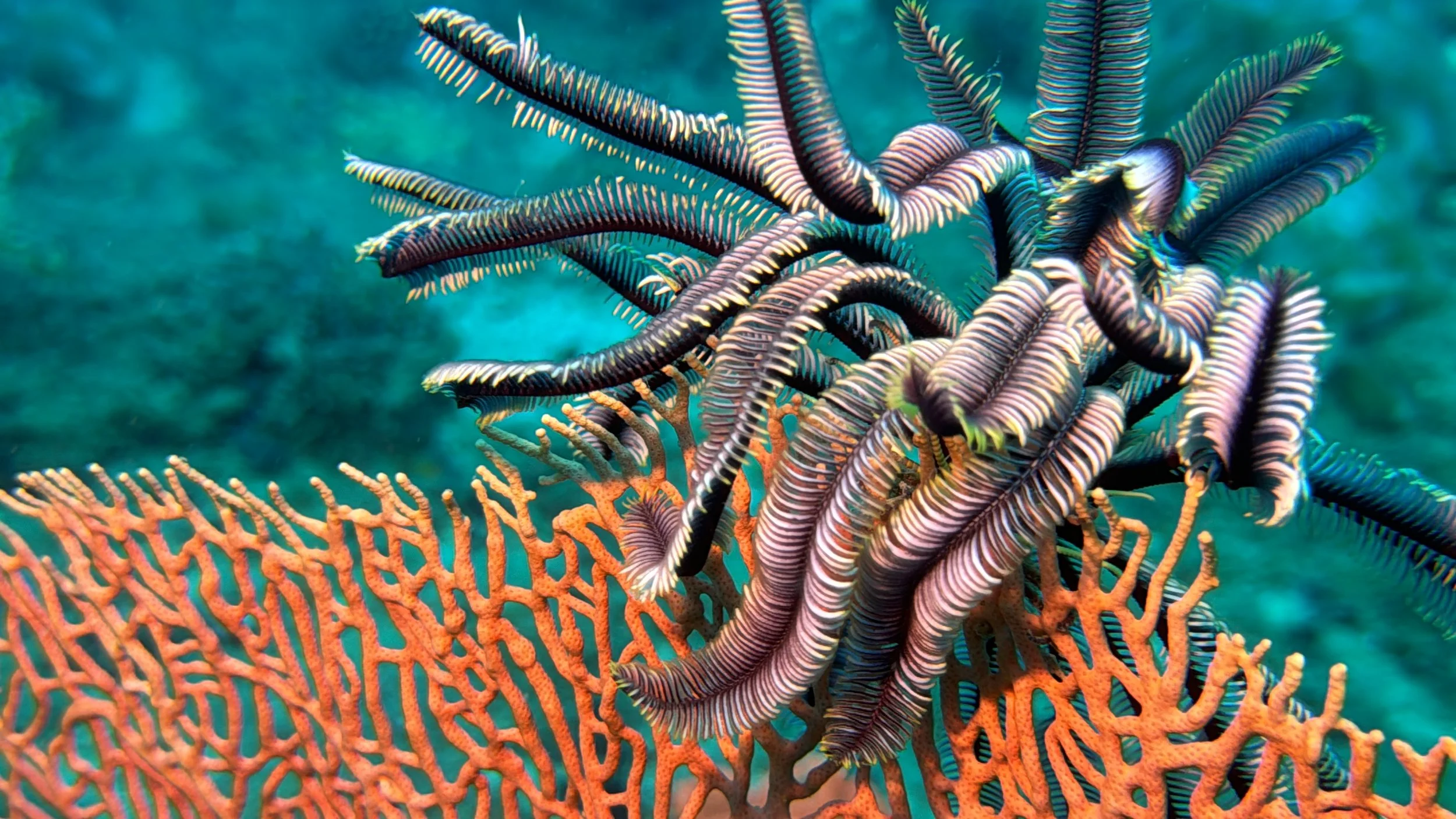
Iconic fan coral formations; visibility can vary, but depth and conditions remain manageable.The Sakatia Arches (15–24 m)
Sheltered site with arches and a shallow plateau excellent for photographers and relaxed profilesMadrépore (20–23 m)
Two-in-one site with fan corals and reef structures, offering both macro and shark sightings.Louann (20–50 m)
Fan coral slopes with depth options, dive profile can be adjusted to experience level.Mitsio Wreck Dive (26–29 m)
Four coral covered wrecks with massive fish life; depth and visibility require confidence.Atnam (18–20 m)
Plateau and drop off dive with strong marine life potential; best on a rising tide.
Radama Islands Lodge, Radamas
A remote dive-focused resort in the Radama Archipelago, offering access to pristine reefs, dramatic walls and excellent pelagic encounters. Best suited to experienced divers seeking isolation, wild scenery and exploratory diving far from Nosy Be.
🔴 Advanced / Deep & Pelagic-Focused Dives
Greater depth, open ocean exposure and stronger currents best suited to advanced or very confident divers.
Shark Point (18–50 m)
Oceanic wall dive with strong pelagic potential including reef sharks, whale sharks and mantas (seasonal).
Abyss Aliochat (35–60+ m)
Dramatic deep wall with fan corals and large rays; short bottom times and advanced profiles.Tagada (18–65 m)
Steep drop off with striking relief; less fish density but occasional large species.Le Dôme (25–40 m)
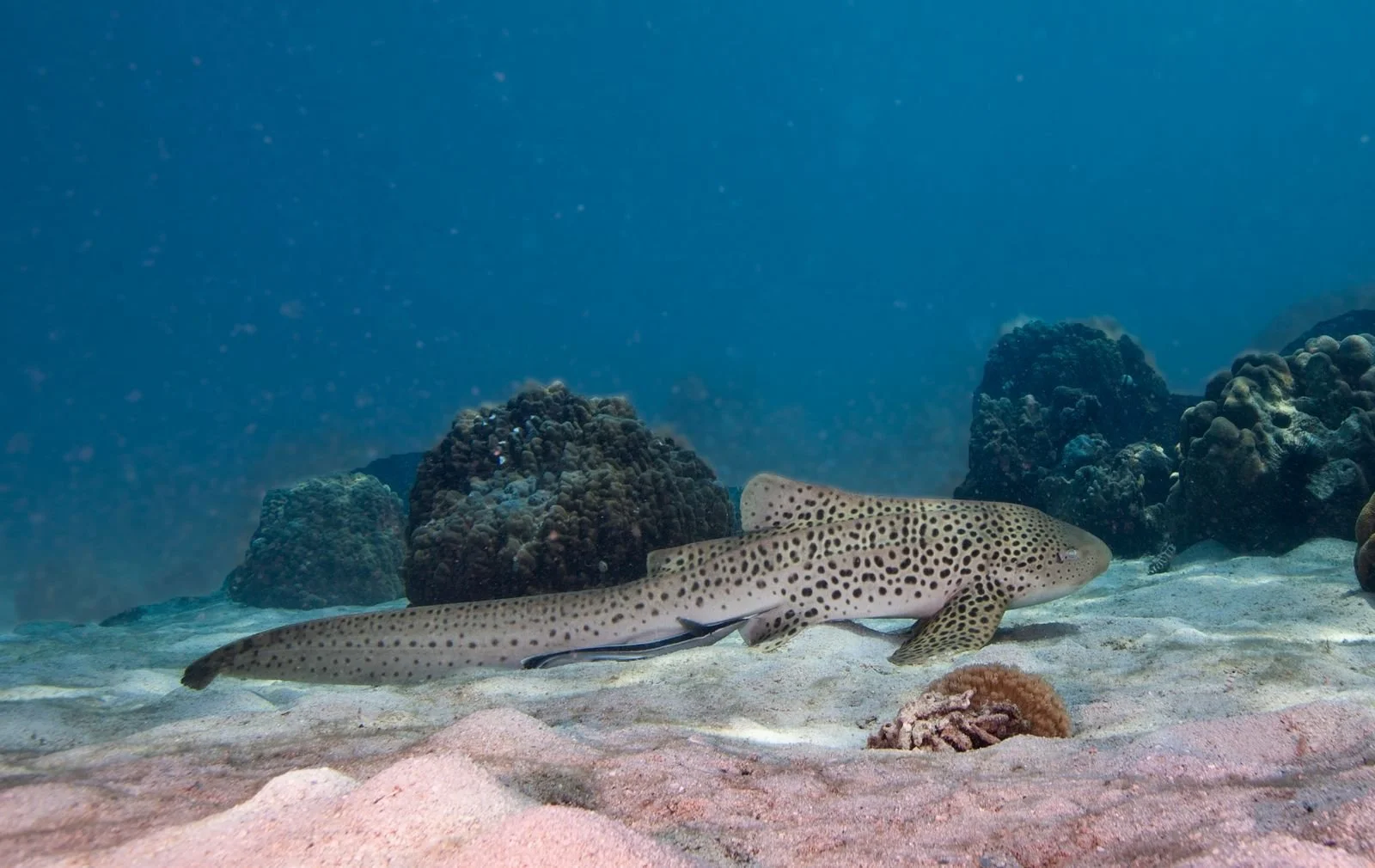
Known for leopard sharks; deeper profile and best suited to experienced divers.
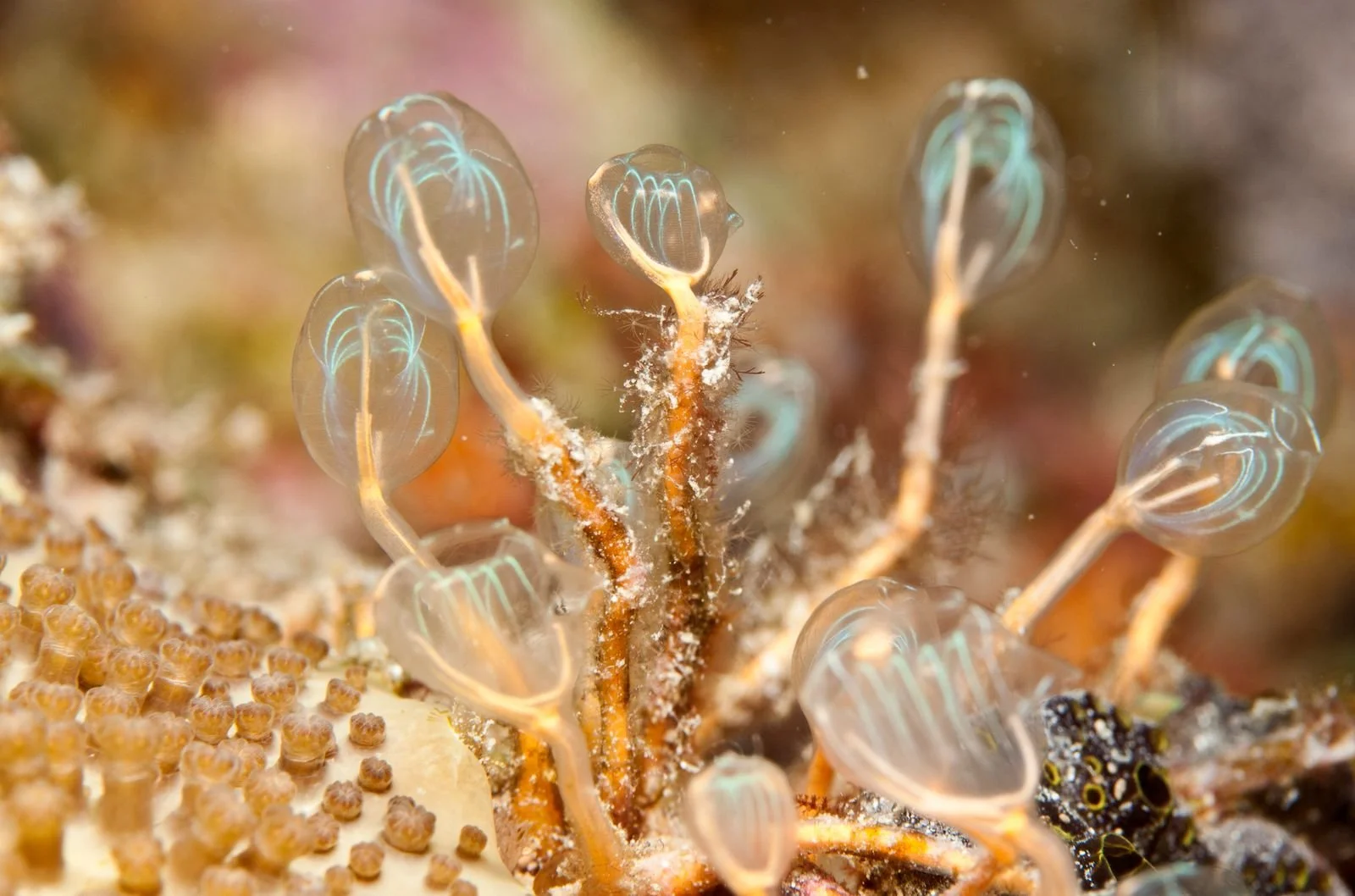
Marine Conservation & Responsible Diving
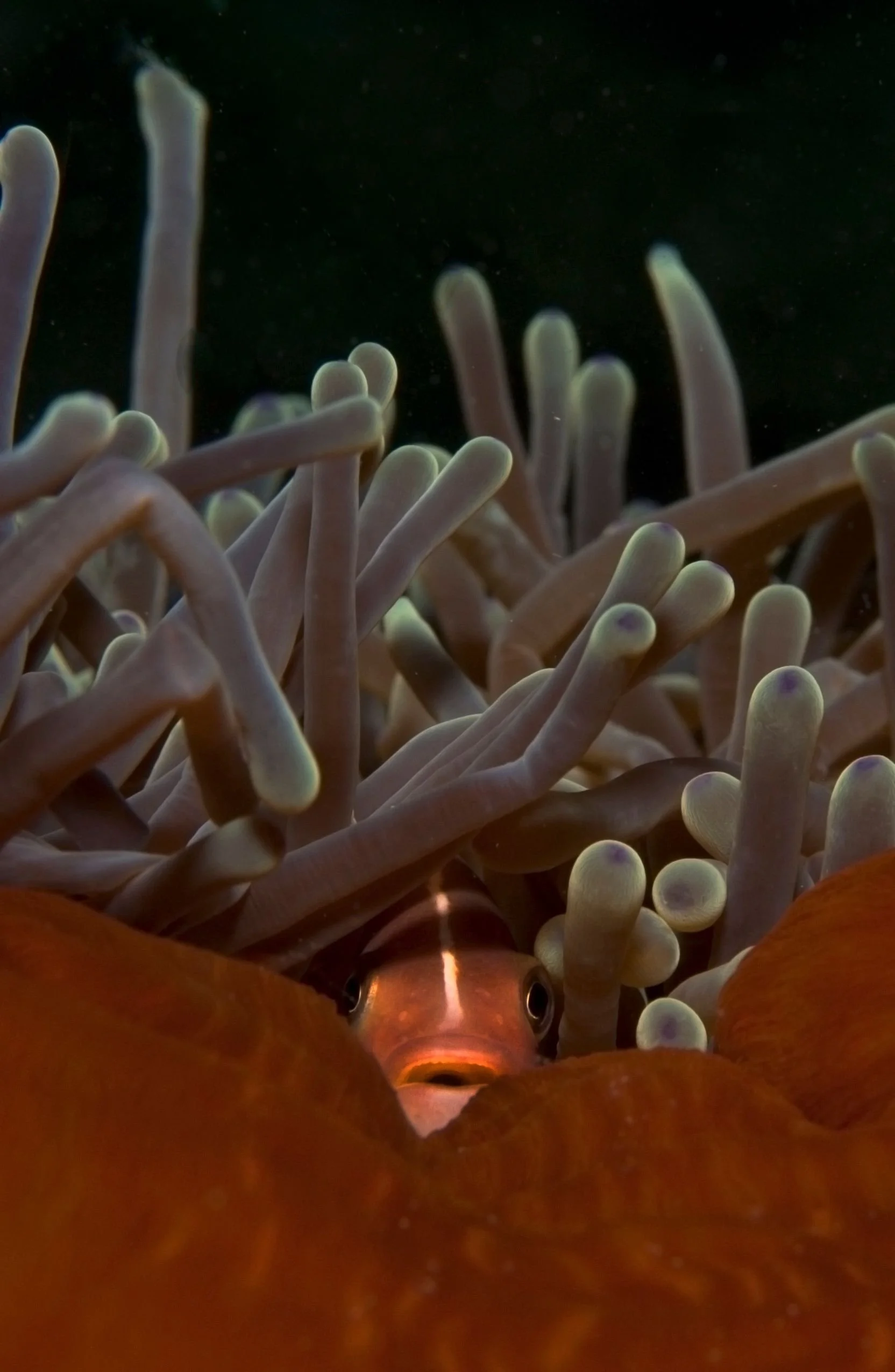
Nosy Be’s reefs remain relatively healthy thanks to low diver pressure and the commitment of long-established local operators to responsible diving practices. Diving here is conducted in small groups, with a strong emphasis on good buoyancy control, no-touch policies and respect for marine life and protected areas. Seasonal conditions and site selection are carefully managed to minimise impact, helping to preserve these ecosystems for future generations. By choosing experienced, conservation-minded operators, divers play a direct role in supporting the long-term sustainability of Nosy Be’s underwater world.
Best Time to Dive in Nosy Be
Nosy Be offers enjoyable diving for much of the year, with the best overall conditions typically from April to December. Sea conditions are generally calmer and visibility more consistent during the drier months from May to October. The warmer summer period (January to March) brings higher water temperatures and increased plankton, which can affect visibility but also attracts marine life. Seasonal sightings of larger species are always unpredictable and never guaranteed.
Water Temperature & Wetsuits
Water temperatures around Nosy Be are warm year-round, ranging from approximately 26°C to 30°C. Most divers are comfortable in a 3mm wetsuit, while those planning multiple or longer dives may prefer a 5mm wetsuit, particularly during the cooler months. Rash vests or shorties are often sufficient for experienced divers in summer.
Conditions & Tides
Diving conditions in Nosy Be are influenced by tides, currents and weather patterns, and site selection is carefully planned around daily conditions. Some dive sites are best visited on a rising tide, when visibility improves and marine life is most active. This is where experienced local knowledge is invaluable, dive plans are adapted day by day rather than fixed in advance, ensuring safer and more rewarding dives.
Non-Diving Companions
Nosy Be is an excellent destination for mixed groups of divers and non-divers, offering plenty to enjoy above the surface. Non-diving companions can relax on beautiful beaches, snorkel in sheltered bays, enjoy island-hopping excursions, visit nature reserves, explore local markets or simply unwind at their lodge or resort. Many dive lodges are set in scenic locations with pools, spas and easy access to excursions, making Nosy Be a rewarding destination even for those who never put on a wetsuit.